The way people look for information online has changed permanently. For over two decades, the process was simple: you typed a few keywords into Google, clicked on one of the top ten blue links, and read the page. Today, that journey looks very different. Millions of users now type full questions into ChatGPT, ask Perplexity for product comparisons, or read the automated summary at the top of Google search results called an AI Overview.
When people get their answers directly on the search page without clicking through to a website, traditional search strategies begin to fall short. If your content only lives in standard search rankings, your brand becomes invisible to a huge portion of the market. This is where Hybrid Engine Optimization comes in. HEO is a modern strategy that prepares your content to perform well across both traditional search engines and AI-powered answer platforms at the same time.
For any forward-thinking digital marketing agency, mastering this shift is no longer optional. It is the key to maintaining online visibility in a fragmented digital landscape.
What is Hybrid Engine Optimization (HEO)?
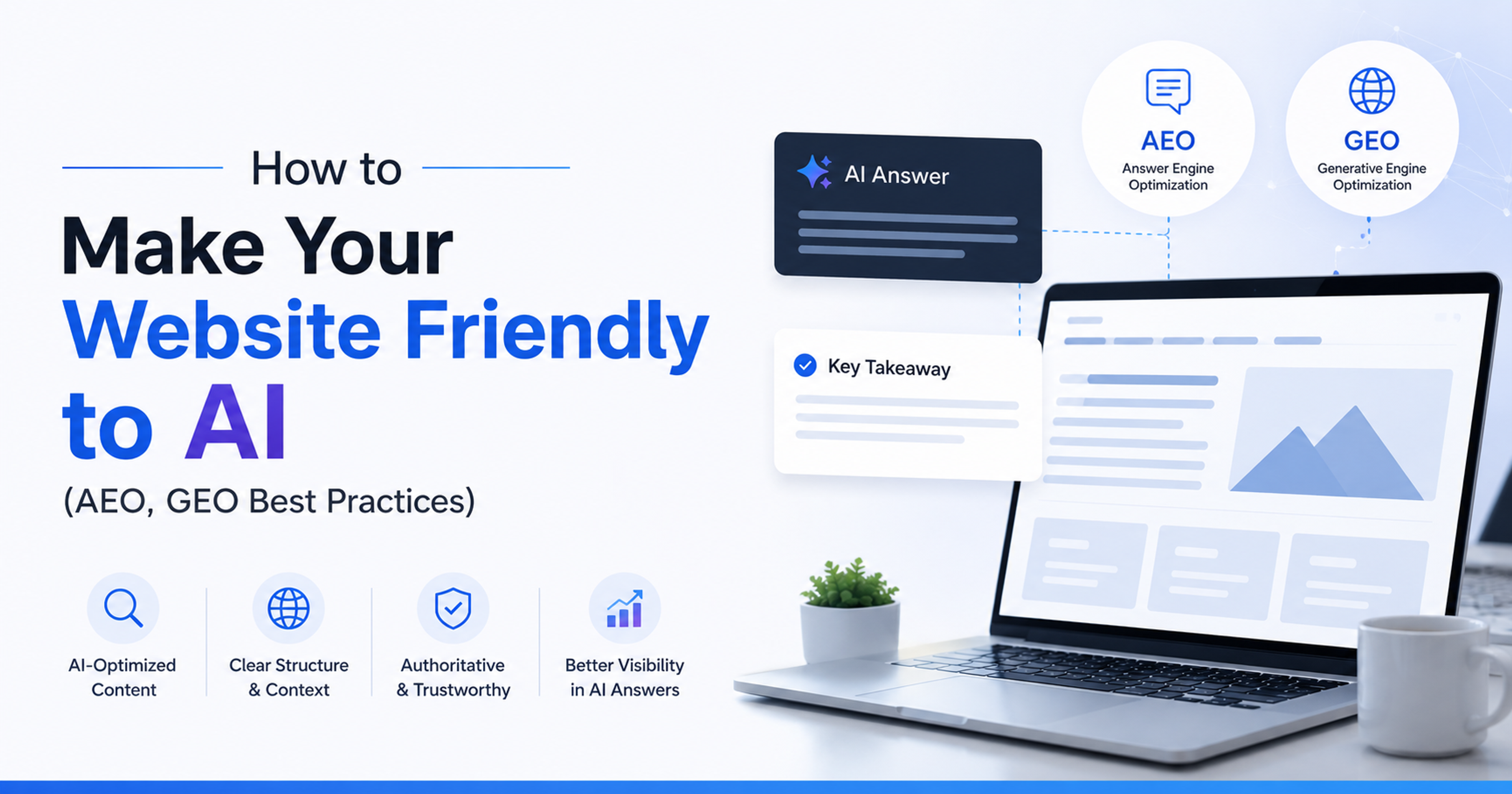
Hybrid Engine Optimization is the practice of structuring, writing, and promoting your digital content so that it ranks well on regular search engines like Google and Bing, while also being selected as a trusted source by AI platforms like ChatGPT, Gemini, and Perplexity.
Instead of treating standard search and artificial intelligence as separate channels, HEO unites them into a single framework. It combines three core areas of digital visibility:
- Traditional SEO Services: Managing technical site health, speed, and mobile responsiveness so that search engine bots can easily read your pages.
- Answer Engine Optimization (AEO): Formatting your content to provide direct, natural-language answers to specific user questions, which helps you win featured snippets and voice search spots.
- Generative Engine Optimization (GEO): Optimizing your content's context, authority, and factual citations so that AI models trust your brand enough to include it in their written summaries.
By blending these three methods, HEO shifts the focus from simply chasing a specific ranking number to building a strong brand presence. It ensures your business appears wherever a user decides to search.
What Existing HEO Guides Miss: The Multichannel Reality
If you look at the current industry discussions around Hybrid Engine Optimization, most articles treat it as an isolated text strategy. They tell you to add a few question-and-answer blocks to your blogs or insert schema markup, and leave it at that.
However, experienced marketers know that AI models do not look at your website in a vacuum. AI engines are trained on massive datasets and crawl the entire web to understand context. To truly outrank your competitors and win the top spots in AI answers, you must connect your search strategy with your broader marketing efforts.
How Paid Ads and Video Feed the AI Engine
A successful HEO strategy requires a mix of organic and paid channels. For instance, running targeted PPC Services creates immediate brand awareness and search volume. When users see your paid ads, they often search for your brand name or discuss your products on forums like Reddit and industry blogs. Because AI models rely heavily on third-party data, this cross-web activity signals to the AI that your brand is an important entity in your industry.
Similarly, incorporating professional Video Services is crucial for AI discovery. Modern search engines and AI bots do not just scan text; they index video transcripts, look at video descriptions, and surface multimedia content in conversational answers. If your content relies solely on long walls of text, you miss out on a major discovery channel.
The Core Pillars of a Successful HEO Strategy
To build an effective HEO framework, you need to structure your content so that it is easy for humans to read, easy for traditional search bots to index, and easy for AI models to extract. Here is how you can set up these foundational layers.
1. Build a Solid Technical Base
Nothing works in HEO if your website has poor technical health. AI crawlers use the same basic paths as traditional search engine bots. If your site loads slowly, has broken links, or is difficult to navigate on a mobile phone, bots will abandon it. Partnering with a reliable SEO Company in India can help you clean up your site architecture, optimize your page speeds, and ensure your site is completely crawlable.
2. Implement the "Answer-First" Content Format
AI answer engines are designed to save users time. If an AI bot has to read through four paragraphs of background text to find a specific definition, it will skip your page entirely.
To prevent this, format your articles with an answer-first approach. Start every major section with a direct, clear one-to-two sentence answer to the user's primary question. Once you have provided that direct answer, you can use the rest of the section to dive into deeper details, data points, and context. This structure makes your text highly extractable for featured snippets and AI summaries.
3. Establish Your Brand as a Trusted Entity
Traditional search optimization relies heavily on keywords. AI optimization relies on "entities" and context. An entity is a recognized person, place, or thing with clear relationships to other concepts.
To help AI systems understand who you are, you must display clear authorship and expert credentials on your site. You should also ensure that your brand is mentioned consistently across external web platforms. According to industry data shared at SEO Week 2026, roughly $85\%$ of the brand mentions cited by AI answer platforms come from third-party websites like news outlets, public forums, and independent review platforms rather than the brand's own website.
Measuring Success: Growth Optimization in a Zero-Click World
In the past, the main goal of search marketing was to increase clicks and organic traffic. In an HEO world, success looks slightly different. Because AI platforms provide answers directly to users, you might notice a drop in traditional clicks even as your brand's visibility reaches an all-time high.
This requires a shift toward modern Growth Optimization metrics. Instead of only looking at keyword positions in Google, you should track your brand's overall presence across the digital ecosystem.
Tracking Bot Movement
As digital expert Jori Ford pointed out during the SEO Week 2025 conference, server crawl logs are becoming the ultimate source of truth for modern search marketers. By analyzing your website's crawl logs, you can see exactly which AI bots (such as OpenAI's GPTBot or the PerplexityBot) are visiting your pages, which sections they prioritize, and how often they return. If AI bots are crawling your site frequently, it means your content is being integrated into the datasets that power future conversational answers.
Furthermore, independent data from a Semrush study revealed that ChatGPT regularly cites websites that rank at position $21$ or lower on standard Google search pages. This proves that AI engines care less about your traditional ranking number and more about the clarity, factual accuracy, and structure of your information.
Conclusion
The digital landscape is moving past the era of the simple blue link. To keep your business visible, you must implement comprehensive SEO services that adapt to how modern consumers actually look for answers.
By combining traditional technical quality with direct, conversational content structures, Hybrid Engine Optimization ensures your brand remains a trusted resource for both Google and the AI engines of tomorrow.
Explore Services & Solutions
SEO Services Hub
Access our comprehensive vertical strategies, core processes, and expert resources.
View service hub Specialized SolutionAI Search Optimization (GEO)
Prepare your website for AI engines like ChatGPT, Gemini, and Search Generative Experience.
Learn moreReady to grow your digital presence?
Connect with our execution specialists for a customized roadmap.