What Is SEO Marketing?
SEO marketing is the practice of improving your website so it shows up higher in unpaid search results. The letters stand for search engine optimization. The idea behind it is simple. When someone types a question into Google, you want your page to be one of the answers they see, and one of the links they click.
Most people never scroll past the first page of results. A large share of them click one of the top few links and stop there. So your position in search can decide whether you get a steady flow of visitors or almost none. SEO marketing is how you earn a good spot without paying for each click.
It lives inside the wider world of digital marketing, right next to social media marketing, email, and paid ads. What sets it apart is where the traffic comes from. SEO brings in organic visitors. These are people who found you through a normal search, not through an ad you paid to place.
What "organic" actually means?
Search results split into two groups. Paid results are ads. A business pays to sit at the top for a chosen term. Organic results are the rest. Google decides their order based on how useful and trustworthy each page looks for that search.
SEO marketing is the work you do to win those organic spots. You are not buying your way up. You are earning it by giving searchers what they came for.
How search engines work, in plain terms?
To do SEO well, it helps to know what a search engine is doing behind the scenes. There are three basic jobs.
- Crawling. Search engines send out bots that follow links around the web. They visit pages the way a curious reader might, hopping from one link to the next.
- Indexing. Once a bot reads a page, the engine files it away in a giant library called the index. If your page is not indexed, it cannot appear in results at all.
- Ranking. When a person searches, the engine sorts through its index and picks the pages it thinks answer the query best. It weighs relevance, quality, and trust, then orders the results.
Google runs on a complex algorithm, and the exact recipe is a secret. Still, the goal is easy to state. Google wants to hand each searcher the most helpful page as fast as it can. Build for that goal and you are already doing the core of SEO.
One more note worth knowing. Google handles the large majority of searches worldwide, so most SEO work is aimed at what Google rewards. The same habits tend to help you on Bing and other engines too.
SEO vs SEM vs PPC: clearing up the confusion
These terms get mixed up all the time. Here is the short version.
- SEO is search engine optimization. It earns organic, unpaid rankings.
- PPC is pay per click. You pay for ads and get charged each time someone clicks.
- SEM is search engine marketing. It is the umbrella term that covers both organic search work and paid search ads.
So SEO and PPC are two ways to get seen in search. SEM is the bigger bucket that holds them both. Many brands run the two side by side. Ads bring quick traffic while SEO builds slower, steadier traffic underneath. The table below shows how the organic and paid sides compare.
| Factor | SEO (organic search) | Paid search (PPC) |
|---|---|---|
| Cost model | You invest time and content, not per click. | You pay each time someone clicks your ad. |
| Speed | Slower to build. Results grow over months. | Fast. You can show up today if you pay. |
| Staying power | Traffic keeps coming after the work is done. | Traffic stops the moment the budget stops. |
| Trust | Many people trust organic results more than ads. | Some users skip anything marked as an ad. |
| Best for | Long term growth and steady, lower cost traffic. | Quick launches, sales, and testing offers. |
The main types of SEO
SEO is not one single task. It is a set of related jobs. Most of them fall into a few clear buckets.
On-page SEO
This covers everything on the page itself. Your content, your headings, your title tags, your images, and your internal links. On-page SEO is about making a page clearly relevant to a search and easy for both people and search engines to understand. You control these elements directly, which makes this a smart place to start.
Off-page SEO
This covers signals that happen away from your site. The biggest one is backlinks, which are links from other websites pointing to yours. A link from a respected site acts a bit like a vote of confidence. Over time, quality links build your authority. Quality matters far more than quantity here. A few trusted links beat a pile of spammy ones.
Technical SEO
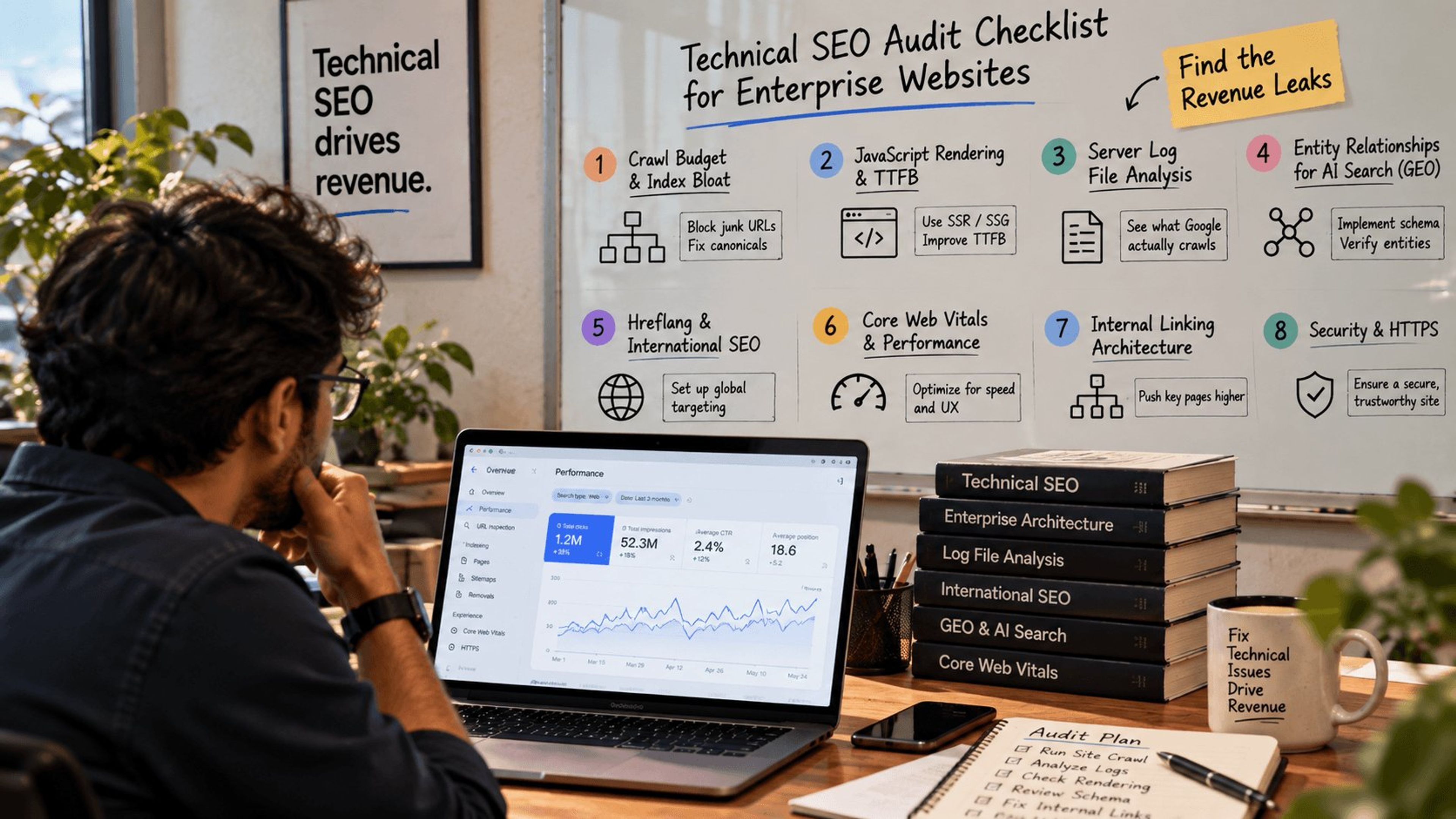
This is the plumbing. It makes sure search engines can crawl, read, and index your site without trouble. Think fast page speed, a mobile friendly layout, a clean site structure, an XML sitemap, and no broken links. Get the technical base right and the rest of your work has room to pay off.
Local SEO
This helps you show up for nearby searches, like a coffee shop trying to rank for people searching in its city. A big lever here is your Google Business Profile. Claim it, fill it in with accurate hours and contact details, and gather honest reviews. Local SEO is vital for any business that serves a specific area.
Content and SEO together
Content marketing and SEO are close partners. SEO tells you what people search for. Content is how you answer them. Strong, useful content is what actually earns rankings, links, and repeat visitors. Without it, the technical work has nothing to lift.
What goes into an SEO strategy?
A real SEO strategy pulls a few pieces together. None of them works alone.
- Keyword research. This is the study of the words and questions your audience types into search. It shows you real demand and tells you what to write about.
- Search intent. Behind every search is a reason. Someone might want to learn, to compare, or to buy. Match the intent and you match the searcher.
- Your target audience. The better you know their goals and pain points, the better your content fits. SEO is as much about people as it is about search engines.
- Quality content. Clear, honest, genuinely helpful pages are the heart of it. Search engines are getting better at spotting thin filler, so depth and accuracy win.
- User experience. A page that loads fast, reads well on a phone, and is easy to navigate keeps people around. That signals value to search engines.
- Authority. Backlinks and a strong reputation tell Google your site can be trusted on its subject.
How to start SEO marketing, step by step?
You do not need a huge budget to begin. You need a plan and some patience. Here is a sensible order.
- Do your keyword research. Use a keyword tool to find the terms your audience searches, along with their volume and difficulty. Pick a mix of realistic targets.
- Map each keyword to intent. Decide what the searcher really wants for each term, then plan a page that delivers exactly that.
- Create content worth ranking. Write pages that answer the question fully and clearly. Aim to be the most useful result, not just another result.
- Handle on-page basics. Write a clear title tag and meta description, use descriptive headings, add helpful internal links, and label your images.
- Keep the site technically sound. Check page speed, mobile display, and crawl issues. Submit a sitemap so Google can find your pages.
- Earn links and mentions. Create things people want to reference. Build relationships. A steady trickle of quality links beats any shortcut.
- Claim your Google Business Profile. If you serve a local area, this step alone can lift your visibility in Maps and local results.
- Track and refine. Use Google Search Console and an analytics tool to see what is working, then do more of it. SEO is an ongoing loop, not a one time fix.
Why SEO marketing is worth the effort?
SEO takes time, so it is fair to ask what you get back. The payoff tends to compound.
- Traffic that keeps coming. A page that ranks well can bring in visitors for months or years after you publish it. Ads stop the day you stop paying.
- Lower cost over time. You put in effort up front. After that, organic clicks do not carry a per click fee.
- Trust and brand awareness. Ranking near the top signals credibility. People start to recognize your name, which builds brand awareness even when they do not click.
- Better leads. People who find you through a relevant search are often already looking for what you offer, so they tend to convert well.
- A boost to your other channels. Strong SEO content feeds your social posts, your email, and even your paid campaigns.
Who should use SEO marketing?
The short answer is almost anyone with a website. A few examples make it concrete.
- Local businesses. A plumber, dentist, or restaurant can win nearby customers who are searching right now.
- Online stores. A big share of shopping journeys start with a search, so ranking for product terms drives real sales.
- Bloggers and creators. Organic traffic builds an audience and an income without paying for every visit.
- Agencies and larger brands. SEO is a core service and a long term growth engine at every scale.
The tools you will lean on
You can start with free tools and add paid ones as you grow.
- Google Search Console. Free. Shows how your site performs in Google, which queries you rank for, and any indexing problems.
- An analytics tool. Google Analytics or similar tracks how visitors behave once they land.
- A keyword and SEO platform. Tools like Ahrefs, Semrush, or Moz help with keyword research, competitor analysis, and tracking rankings.
- A site audit crawler. This simulates how search bots see your site and flags technical issues before they cost you traffic.
How SEO is changing in 2026?
Search is not standing still, and neither is SEO. A few shifts matter right now.
- AI answers in search. Google now shows AI generated overviews at the top of many results, and tools like ChatGPT and Gemini answer questions directly. Getting cited in these answers is becoming its own goal, and it still rewards clear, trustworthy content.
- Mobile first. Google judges your site mainly by its mobile version, so a clean phone experience is no longer optional.
- Helpfulness over tricks. Search engines keep getting better at rewarding pages that genuinely help and demoting shallow, keyword stuffed ones.
- Voice and new formats. More people search by voice and expect quick, spoken answers, which favors plain, direct writing.
How to measure whether SEO is working?
If you do not measure SEO, you cannot improve it. A handful of key performance indicators tell the real story.
- Keyword rankings. Where your pages sit for the terms you care about.
- Organic traffic. How many visitors arrive through unpaid search.
- Impressions and clicks. How often you appear in results and how often people click, both visible in Search Console.
- Conversions. The real prize. Sales, sign ups, or leads that came from organic search.
Chase outcomes, not vanity numbers. A page that ranks tenth but converts well beats a page that ranks first and sends nobody who buys.
Common mistakes to avoid
- Keyword stuffing. Cramming the same phrase everywhere reads badly and can hurt you. Write for people first.
- Thin content. Short, shallow pages rarely rank. Answer the question in full.
- Ignoring intent. Ranking for a term nobody meant the way you assumed brings traffic that leaves fast.
- Buying cheap links. Spammy backlinks can trigger penalties. Earn links the honest way.
- Expecting instant results. SEO is a slow build. Give it months, keep going, and it pays off.
Frequently asked questions
Is SEO marketing free?
The clicks are free, but the work is not. You will spend time creating content and fixing your site, and you may pay for tools or help. There is no per click charge the way there is with ads.
How long does SEO take to work?
Usually a few months, sometimes longer for competitive terms. New sites take more time to earn trust. The upside is that once you rank, the traffic tends to stick around.
What is the difference between SEO and content marketing?
They overlap a lot. SEO is the process of ranking in search. Content marketing is the practice of creating valuable content to attract an audience. Good content is how most SEO gets done, so the two work best together.
Do I still need SEO if I run paid ads?
Yes, in most cases. Ads stop the moment your budget does. SEO keeps working after the fact and often lowers your overall cost of getting customers. Many brands run both.
Can I do SEO myself?
You can, especially the basics. Keyword research, clear content, and on-page fixes are learnable. As you grow, you might bring in a specialist for technical work or link building.
The bottom line
SEO marketing is the long game of digital marketing. You study what your audience searches for, you build pages that answer them better than anyone else, and you make sure search engines can find and trust your site. Do that with patience and you earn a source of traffic that keeps giving back. It is not quick, and it is not magic. It is steady, honest work that compounds.
Explore Services & Solutions
SEO Services Hub
Access our comprehensive vertical strategies, core processes, and expert resources.
View service hub Specialized SolutionEnterprise Technical SEO
Drive high-intent organic traffic with our advanced technical auditing and optimization frameworks.
Learn moreReady to grow your digital presence?
Connect with our execution specialists for a customized roadmap.