Quick note before we dive in: If you've been running the same link building playbook you used in 2023 or 2024, some of it is actively hurting you now. Google's March 2026 spam update wasn't a warning shot — it was a direct hit on tactics that many agencies were still quietly selling. This guide tells you what's still standing, what got buried, and what most people in this space haven't caught up to yet.
The State of Link Building Right Now
Let's be honest about something.
Most articles on link building services fall into one of two camps. Either they're thinly disguised ads dressed up as "top 10 lists," or they're generic advice recycled from three years ago. Neither helps you actually make a decision.
So here's where things stand as of mid-2026.
Google still uses backlinks as one of its primary ranking signals. That hasn't changed, and according to multiple 2026 SEO surveys, backlinks remain among Google's top three ranking factors alongside content quality and user experience. Pages ranking in position one on Google have 3.8x more backlinks than those in positions two through ten. That number keeps showing up across different data sets, and it matters.
But the type of backlinks Google rewards — and the methods that produce them — have shifted significantly. Especially after this year.
What the March 2026 Spam Update Actually Changed?
This is the part most link building content skips over, and it's the most important context for everything that follows.
Google's March 2026 spam update was released in two waves. The first, in early March, targeted AI-generated doorway pages and cloaked content. The second wave, launched March 18, focused specifically on link schemes — particularly expired domain redirects, private blog networks refreshed with AI content, and sponsored link structures that used indirect attribution to obscure paid relationships.
What does this mean in plain terms?
Three tactics that were still working for a lot of people in late 2025 got significantly devalued:
- Sponsored guest posts on high-DA general news sites - These placements, along with niche edit placements on aged domains with thin content, and PBN links with improved content quality all saw significant value reduction in the March 2026 updates.
- Expired domain redirects - Buying an old domain with good authority and redirecting it to a client site — a trick that somehow survived for years — is now reliably caught by Spam Brain.
- AI-refreshed PBNs - PBN operators who invested in better content to survive previous updates reported that their sites were still caught. The detection vector is likely footprint analysis — hosting, registration, linking patterns — rather than content quality alone.
The broader takeaway is this: the March 2026 cycle is likely to be looked back on as the point at which AI-assisted link manipulation became reliably detectable, permanently changing the risk calculus for these tactics.
If your current link building services provider is still selling you PBN links, expired domain redirects, or bulk guest posts on sites with no real audience — walk away. Not because it's theoretically risky, but because it's actively failing right now.
What's Actually Working in 2026?
Here's the honest breakdown of tactics with real legs in 2026.
1. Digital PR and Original Research
This is consistently the most durable category. Editorial citations from original data studies and digital PR campaigns tied to newsworthy proprietary data performed well through the update. These links come from topically relevant publishers covering genuine news events, which aligns with what Google signals it rewards.
The idea is simple: you publish something genuinely worth citing — a survey, an industry benchmark, a data analysis — and journalists and bloggers naturally link back to it. A good digital marketing agency with a proper PR team can run these campaigns systematically. The links you earn this way don't just rank you on Google; they also build the kind of brand authority that AI systems reference (more on that in a moment).
The practical challenge here is that original research takes real investment — time, budget, a team that knows how to pitch media. But the returns compound. One solid data piece can earn 30 to 100+ links over its lifetime, often from sites you couldn't access through any paid placement.
2. Guest Posting — But Only on Real Sites
Guest posting is still the most widely used tactic in professional link building services. But the version that works in 2026 looks different from what a lot of agencies sell.
Quality guest posts average $150 to $500 per placement when content creation is included. Higher-DR sites ($500–$1,200) reflect stricter editorial standards and lower acceptance rates. One important caveat: 85.3% of guest posting sites are low quality — DR under 40, with fewer than 10,000 monthly visitors — which means vetting matters more than volume.
What you want: sites with real organic traffic, genuine editorial standards, and audiences that actually match your niche. What you don't want: "write for us" directories, websites that accept every pitch, and publications that exist purely to sell links.
When evaluating a link building service's guest posting network, ask them to show you the organic traffic data of their publisher sites — not just DA or DR scores. A site can have DR 60 and only 200 monthly organic visitors, which tells you the authority metric is inflated and the link won't move anything.
3. Niche Edits With Editorial Integrity
Niche edits (inserting a link into existing, already-indexed content on a third-party site) remain effective when done properly. The "properly" part is what most vendors skip.
Done right: you identify a genuinely relevant article on a real site, reach out to the editor with a compelling reason your content adds value to their piece, and earn a placement that serves their readers. Done wrong: you're buying access to a link farm network where the "editor" will insert any link into any article for $50.
The first approach has survived every Google update. The second got flagged in March 2026. Make sure you know which one your provider is actually delivering.
4. Unlinked Brand Mention Conversion
This is the highest-efficiency tactic available right now, and almost no one is doing it systematically.
Converting unlinked mentions to links through simple outreach is the highest-efficiency link acquisition tactic available, with close rates typically above 30%.
If your brand has been around for any length of time, there are probably dozens of articles on the web that mention your company, your product, or your key people — without linking back. A quick audit using Ahrefs' content explorer or even a Google Alert can surface these, and a short, friendly email to the author asking them to add the link converts more often than almost any other outreach approach. There's no pitch required because they already chose to mention you.
5. HARO and Media Outreach (The Legitimate Version)
Help a Reporter Out (HARO) — now known as Connectively — along with similar platforms, remains a strong channel for earning editorial links from genuine news outlets. The catch is you actually have to be useful to the journalist. Spray-and-pray responses to every query don't work. But if you have real expertise in a specific area and respond quickly with a genuinely useful quote or data point, you can earn links from sites that no paid placement budget could access.
Many growth optimization strategies for B2B companies now incorporate HARO outreach as a core part of their link building mix, precisely because it scales without buying access and produces brand mentions alongside links.
The Angle Most Link Building Content Is Missing: AI Search Visibility
Here's something the top-ranking articles on link building services almost universally miss, and it's arguably the most important shift happening right now.
Link building in 2026 doesn't just affect your Google rankings. It directly affects your visibility in AI-generated answers — in Google AI Overviews, in ChatGPT responses, in Perplexity, and in every other AI search tool that's now part of how people find information.
Research from 2026 indicates that brand mentions — the kind earned through editorial backlinks in reputable publications — correlate 3x more strongly with AI visibility than raw backlink counts alone (0.664 vs 0.218 across 75,000 brands).
What this means practically: a single editorial mention on a well-respected industry publication does more for your AI search visibility than a dozen guest posts on low-authority blogs. The AI systems that power Google's AI Overviews and ChatGPT's browse mode draw from sources they trust. And trust, in their world, looks a lot like editorial credibility — which is what quality link building services have always been trying to build.
When vetting a service for AI-driven search, your criteria must shift from "How many links can you get?" to "Can you build discoverable authority that earns citations?" This means looking for agencies that build your niche authority through tactics like original data studies, digital PR, and expert quotes — not just paid posts.
If you're working with a digital marketing agency on link building, and they're not thinking about AI visibility as part of the outcome, they're behind. The smartest agencies are now building link acquisition strategies that specifically target publications and domains that AI systems already cite. That's not guesswork — you can verify it by running your target queries in ChatGPT or Perplexity and seeing which sources show up in the answers.
Link Building Services Pricing: What You're Actually Paying For
Let's talk numbers, because this is where a lot of businesses make expensive mistakes.
The average price SEOs are willing to pay for a single high-quality backlink is $508.95. 80.9% of link building professionals believe link building will become more expensive over the next two to three years. Agencies allocate about 32.1% of their total SEO budget to link building, while in-house teams invest even more — 36.03% on average.
Here's a realistic 2026 pricing breakdown by tier:
Budget tier ($80–$200 per link): Low-DA guest posts, directory submissions, link farms. These carry penalty risk and deliver minimal ranking value. Avoid unless you're specifically targeting local citation-building with reputable directories.
Mid-tier ($300–$600 per link): The sweet spot for most businesses in 2026 sits between $300 and $600 per link for a legitimate DR 50–70 editorial placement on a site with genuine organic traffic. This is where you should be allocating the bulk of your budget — roughly 60 to 70% of your link building spend.
Premium ($700–$2,000+ per link): Editorial placements on major publications, digital PR campaigns, HARO-earned media mentions. These are harder to acquire but deliver outsized returns for both rankings and AI visibility.
Monthly retainers: Typical campaign budgets range from $3,000 up to $25,000 per month in 2026, often tied to content marketing initiatives that also drive secondary KPIs.
One important reality check: low-cost backlinks often come from weak or inactive websites, irrelevant niches, and automated or spammy networks. These links might have little to no impact, and in some cases, they can even harm your rankings. When you pay $30 for a backlink in 2026, you're paying $30 for the risk of a manual penalty review — not for a ranking signal.
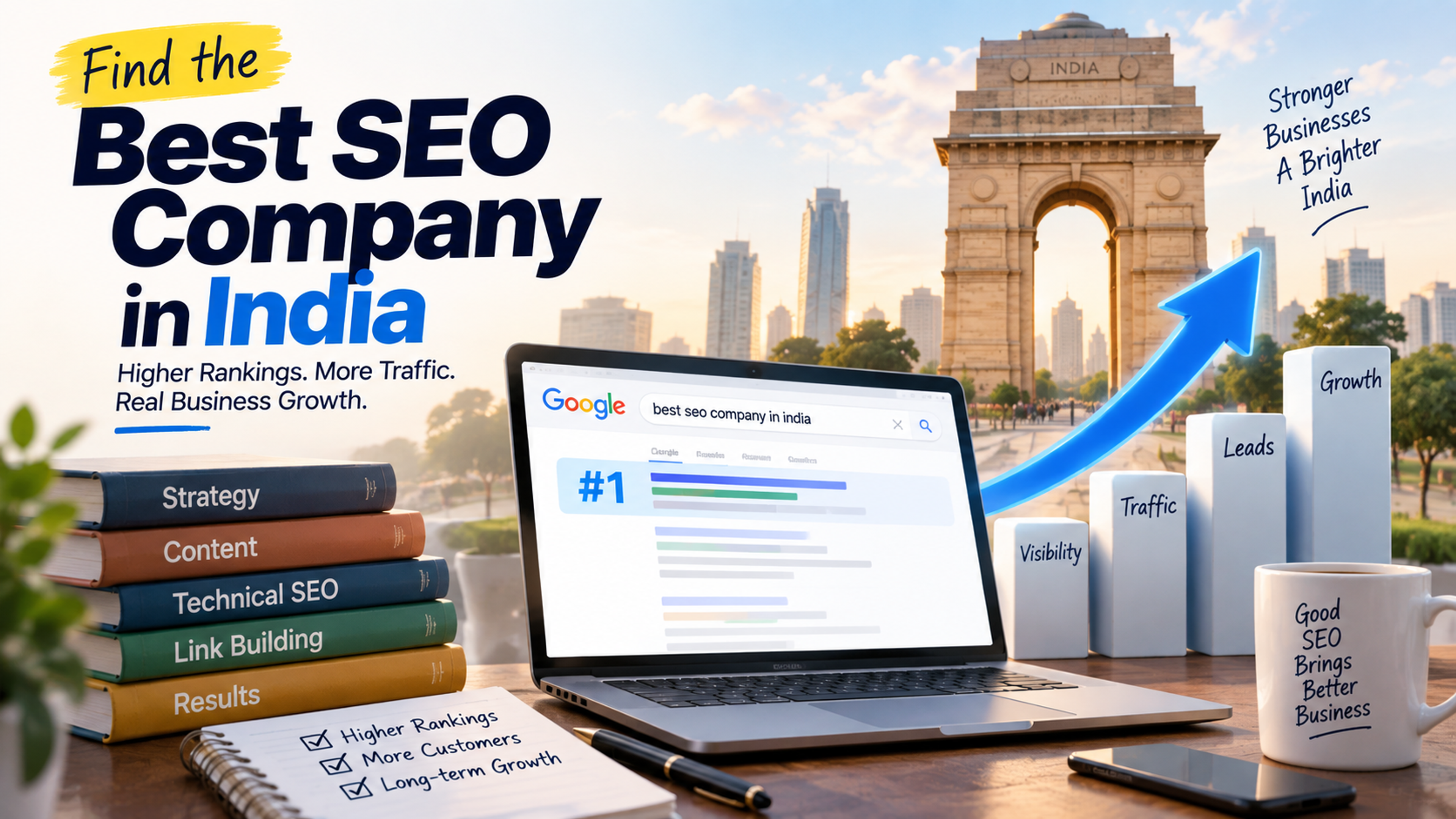
What About SEO Companies in India?
This is worth addressing directly because India-based SEO companies represent a significant portion of the global link building market, and the quality range is enormous.
A reputable SEO company in India with transparent processes, vetted publisher networks, and English-language editorial expertise can deliver mid-tier link building at genuinely competitive rates — often 30 to 50% below US-equivalent agencies without sacrificing quality. The key is vetting the same things you'd vet with any provider: real publisher traffic, editorial standards, anchor text strategy, and a clear reporting process.
What you don't want is the race-to-the-bottom end of that market — bulk link packages at $5 to $20 per link, where the "links" are forum comment drops, PBN placements, or spun content on domains with zero real audience. These were risky before March 2026. Now they're genuinely dangerous.
The best Indian SEO agencies compete on expertise and process, not just price. They run manual outreach campaigns, build real publisher relationships, and produce content that meets editorial standards. Price is a data point, not the whole story.
PPC Services and Link Building: Why They Work Better Together?
One thing that rarely comes up in link building content is the relationship between link acquisition and paid search — PPC services specifically.
Here's the practical connection most growth teams miss: a well-ranked organic page backed by strong link equity dramatically improves the quality score and relevance of ads pointing to it. Conversely, a targeted PPC campaign can drive traffic to a linkable asset — a research report, a free tool, a data visualization — that then earns organic links through exposure. This is sometimes called the "paid traffic to earned links" flywheel, and the smartest digital marketing agencies use it deliberately.
If your team is running PPC services independently of your SEO and link building strategy, you're leaving efficiency on the table. The pages you're paying to drive traffic to should be the same pages that earn organic authority through links — creating a compounding effect where paid and organic reinforce each other.
Video Services as a Link Building Asset
This one gets overlooked almost entirely in most link building guides.
Video content — particularly original research presented as video, explainer videos with unique data, and video testimonials from credible sources — earns links in ways that text content often can't. Here's why:
When a publisher wants to embed or reference a compelling video in their article, they typically link back to it. YouTube videos that surface in Google results earn brand mentions and citations. A well-produced video explaining a complex topic in your industry becomes a linkable asset that bloggers, journalists, and content creators reference repeatedly.
The most forward-thinking growth optimization strategies now treat video services as an integral part of link building — not a separate channel. A 10-minute deep-dive video backed by original research can earn 15 to 40 links over its lifetime while simultaneously building brand authority in AI search results (which increasingly surface video content).
If you're working with an agency that handles both link building and video services, make sure they're building these into the same asset strategy — not running them as separate departments that never talk to each other.
How to Evaluate a Link Building Service Before You Sign?
Most businesses evaluate link building providers the wrong way — they look at package pricing and DA metrics. Here's a better framework.
Check their own backlink profile first - If an agency is selling you on their ability to build authority, look at their own domain's backlink profile in Ahrefs or Semrush. If they're building links for clients all day but their own site has a DR of 20 and 50 organic visitors, take that as a signal.
Ask to see publisher sites with traffic data - Not DA. Not DR. Actual organic traffic. A DR 65 site with 400 monthly organic visitors is worse than a DR 40 site with 40,000 monthly visitors. Real audience = real value.
Ask about anchor text strategy - If a provider doesn't ask about your anchor text distribution, target pages, or existing backlink profile, they're not doing strategy — they're just brokering links. That's how you end up with an unnatural link profile.
Ask about their replacement policy - Links get removed. Publishers change their mind, redesign their sites, or take content down. A reputable link building service replaces dropped links at no additional cost. If there's no replacement policy in the contract, ask why.
Ask how they handle the March 2026 updates - This is a useful filter question. A provider who doesn't know what you're talking about, or who dismisses the update as minor, either hasn't been paying attention or is hoping you haven't. Either way, it's not a good sign.
What Good Link Building Actually Looks Like Month to Month?
One more thing that almost no one covers in link building content: what the actual execution looks like.
Month one is primarily research — auditing your existing link profile, identifying gaps relative to competitors, mapping out target publications, and building a prospecting list. No links are typically built in month one from a quality provider, and you should be suspicious of anyone who promises 20 links by day 30.
Months two and three are when outreach begins in earnest and the first placements come in. This is also when you'll start to get a feel for the quality of sites the agency is targeting.
Months four through six are where you start to see ranking movement — on average, 3.1 months to see a noticeable ranking jump after a backlink is acquired, with meaningful organic traffic growth typically compounding from month six onwards.
Month six and beyond is where the compounding effect kicks in. Each quality link makes the next one easier to earn because your domain carries more authority, publishers are more receptive to your pitches, and your content gets more natural citations. This is why link building is fundamentally a long-term investment, not a monthly transaction.
Red Flags to Watch for When Hiring a Link Building Service
Given how much bad advice and low-quality services exist in this space, here's a quick list of things that should make you hesitate:
Guaranteed top rankings in 30 days - No legitimate link building service makes this promise. Rankings are influenced by dozens of factors — link building is one of them.
We have a network of 5,000 sites - A private network of sites that exist primarily to trade links is the definition of a PBN. This was risky before. Post-March 2026, it's a liability.
Pricing under $100 per link with no explanation of how they source placements - The math doesn't work. Real outreach, content creation, and placement on a legitimate site cost more than this.
No reporting on actual placement URLs - If a provider won't show you the specific URLs where your links are live, you don't know what you're buying.
No questions about your existing link profile - A provider who starts building links without understanding what you already have can easily create an unnatural pattern that raises flags.
The ROI Case for Link Building in 2026
For anyone still on the fence about budget allocation, here's the numbers-based argument.
Link building delivers an average ROI of 702% for B2B companies — the highest of any marketing channel tracked in 2026. B2B SaaS companies, legal services, and professional services consistently show the highest returns because of the compounding nature of domain authority built over time.
One documented example worth noting: over seven months, building 220 earned links averaging DR 68 through outreach guest posts, niche edits, and HARO-based editorial placements, organic traffic grew from 17K to 66,700+ monthly visits, resulting in 736 top-3 ranking positions and 842 Google AI Overview citations.
That last metric — AI Overview citations — is the new dimension of ROI that most tracking dashboards aren't measuring yet. But it's real, and it compounds alongside organic rankings.
Conclusion:
Link building services in 2026 aren't dead, watered down, or past their peak. They're just more demanding than they were. Google's spam detection is genuinely smarter, AI search has added a new dimension to what authority means, and the shortcuts that used to work are now a liability.
The businesses winning in organic search right now are the ones treating link building as a brand-building exercise, not a metric-gaming exercise. They're working with digital marketing agencies that understand editorial relationships, with SEO companies in India and globally that invest in genuine publisher networks, and with teams that can connect PPC services, growth optimization, and video services into a unified content authority strategy.
The core principle hasn't changed: earn links from sites your target audience actually reads, through content they actually find useful, from a brand they actually trust. That's the version of link building that has never been penalized. It's also the version that's hardest to fake — which is exactly why it still works.
Explore Services & Solutions
SEO Services Hub
Access our comprehensive vertical strategies, core processes, and expert resources.
View service hub Specialized SolutionEnterprise Technical SEO
Drive high-intent organic traffic with our advanced technical auditing and optimization frameworks.
Learn moreReady to grow your digital presence?
Connect with our execution specialists for a customized roadmap.