
If you’ve spent any time learning SEO, you’ve likely encountered the term LSI keywords. Tools, consultants, and courses treat them like a secret ranking ingredient. Search forums are full of questions like “define LSI keywords” or “what is LSI keyword in SEO.”
Yet in 2026, the foundational premise of LSI keywords as a distinct ranking signal has been explicitly refuted by Google, leaving many marketers unsure what to believe.
This article cuts through the confusion. It explains:
- what LSI keywords are and aren’t,
- why the concept persists,
- how search engines actually interpret content today,
- and how you should optimize your content moving forward.
By the end, you’ll understand why the term survives, what semantic relevance means in modern SEO, and how to craft truly context-rich content that performs.
What Does “LSI Keywords” Mean?
The acronym LSI stands for Latent Semantic Indexing. In academic information retrieval, latent semantic indexing was developed in the 1980s to identify patterns of co-occurrence between words in document sets. In simple terms, it looked for hidden relationships between terms.
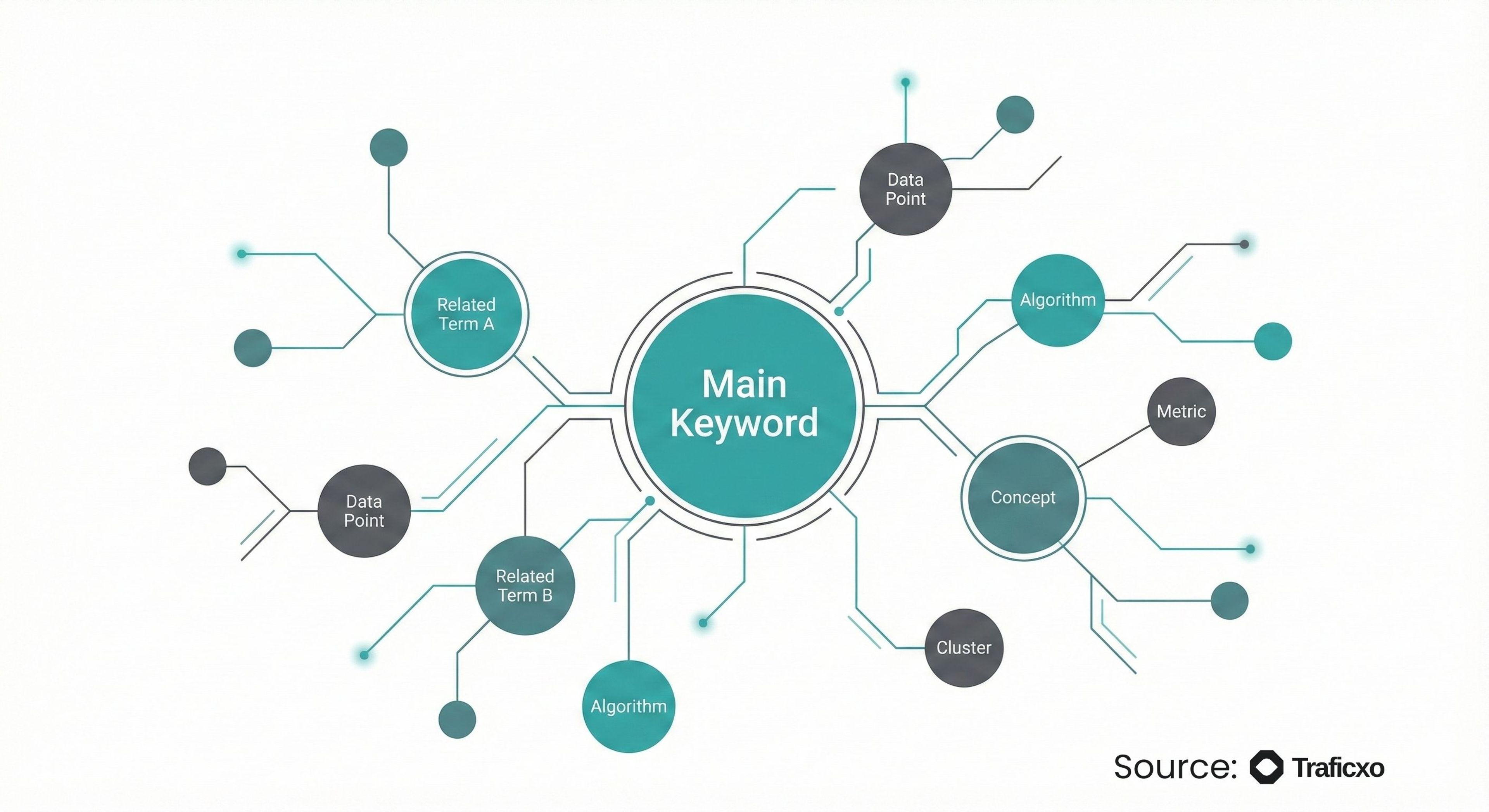
In SEO vernacular, “LSI keywords” came to refer to words and phrases related to the main keyword that help establish context and topical relevance. Examples often cited include:
Primary keyword: “digital marketing”
Related terms: “content strategy,” “SEO tools,” “Google Analytics,” “audience segmentation,” “conversion optimization”
In this broader sense — words that form a conceptual relationship with a topic — LSI keywords describe the idea of semantic relevance rather than a specific algorithm.
People often search variations of this concept, including:
- what is LSI keyword
- what is LSI keyword in SEO
- latent semantic keywords
- lsi keywords meaning
- lsi keywords definition
These all reflect the same underlying goal: understanding how related terms help search engines interpret content.
Why Google Says LSI Keywords Don’t Exist
This is where the myth meets reality.
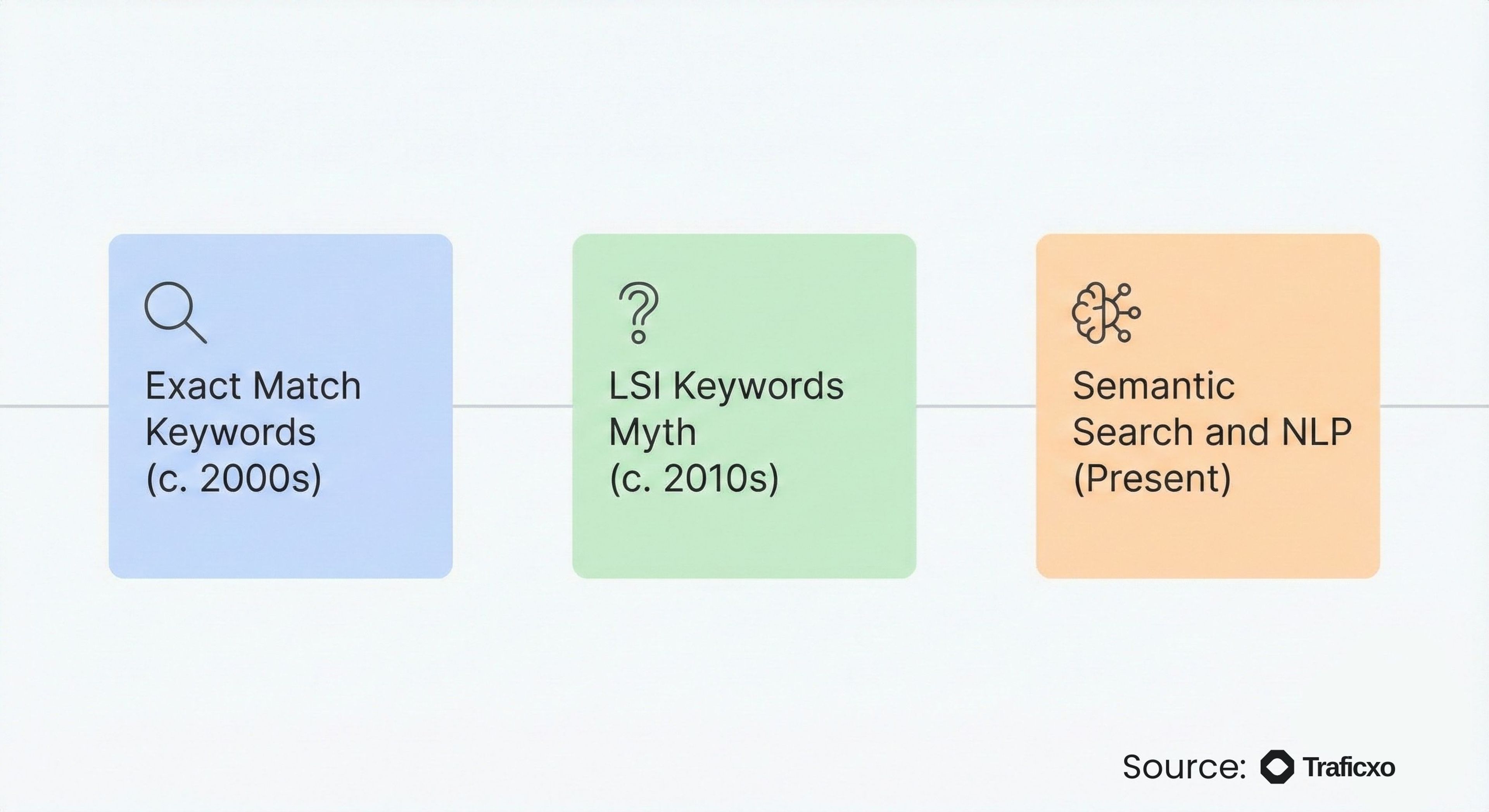
Google’s Search Advocate John Mueller has directly stated that Google does not use a technology called Latent Semantic Indexing (LSI) in its ranking systems. The implication is clear: the old academic technique referenced by the term “LSI” is not part of how modern search interprets text.
Over time, Google’s understanding of language has evolved significantly. The search engine now relies on systems such as:
- BERT (Bidirectional Encoder Representations from Transformers)
- MUM (Multitask Unified Model)
- Language understanding and neural models
These technologies analyze meaning and semantic relationships in far more sophisticated ways than the original LSI method ever could.
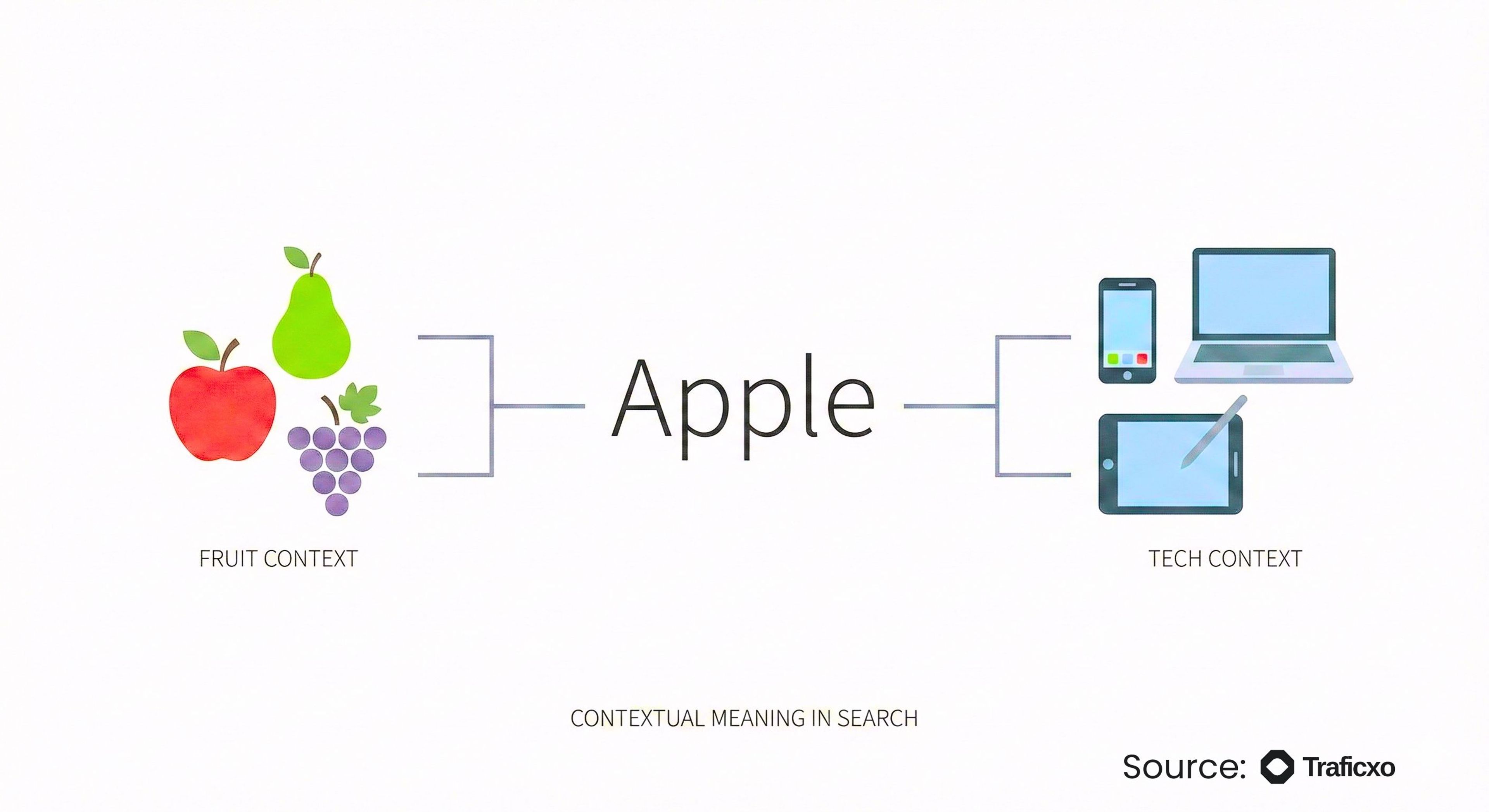
Yet despite the academic obsolescence of true latent semantic indexing, the underlying principle — that related terms help clarify meaning — still holds practical importance. That is why terms like “latent semantic keywords,” “semantic SEO,” and “finding LSI keywords” continue to circulate.
LSI Keywords vs. Semantic SEO
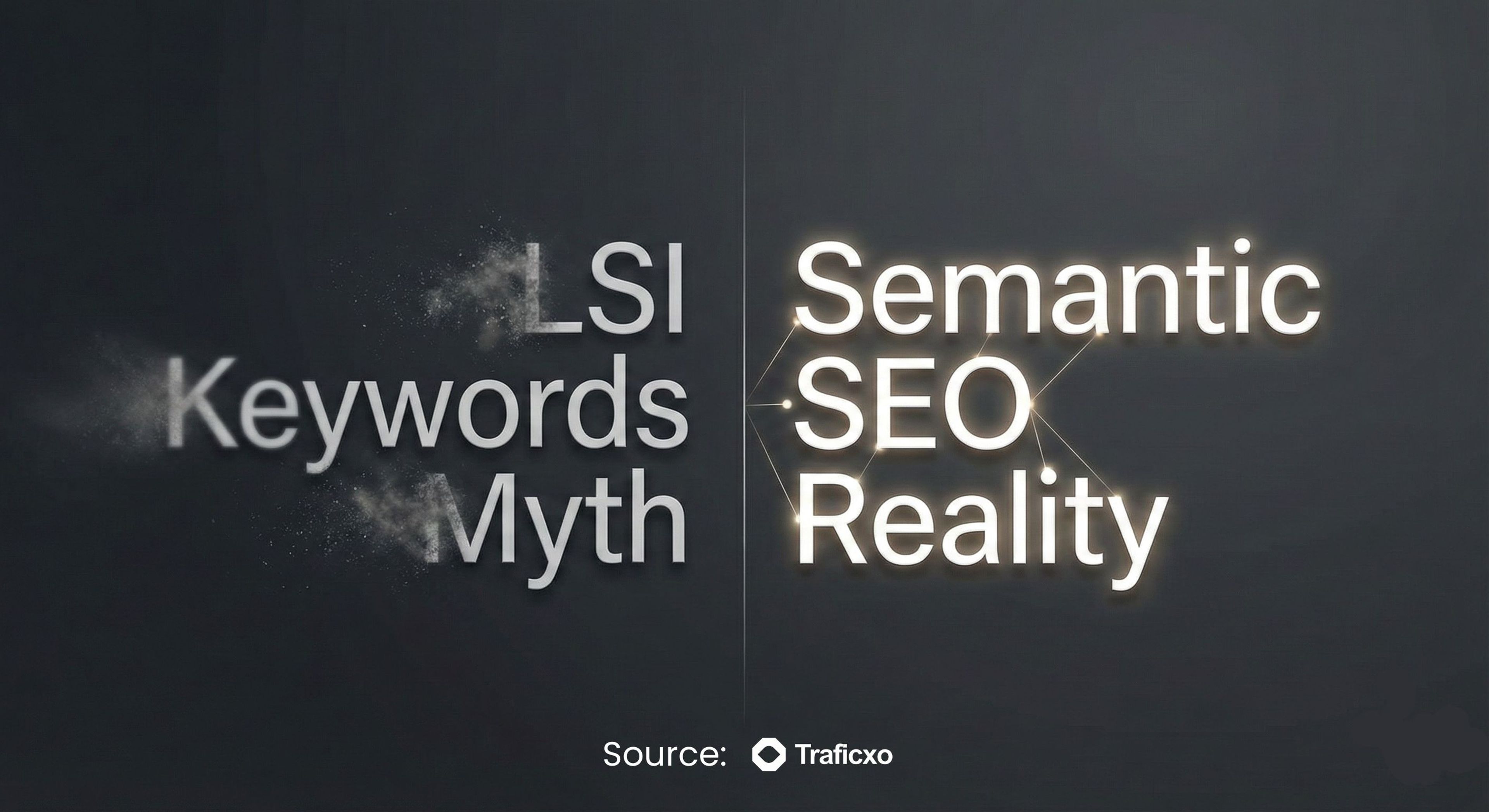
It helps to differentiate between the myth and the practice.
The original idea behind LSI — using related words to signal context — has evolved into what today is more accurately called semantic SEO. Semantic SEO is less about specific “LSI keywords” and more about building content that reflects topical depth, intent, and contextual relationships.
Consider these distinctions:
| Concept | Description | SEO Relevance Today |
|---|---|---|
| Concept Description SEO Relevance Today LSI Keywords (as a technology) | Words linked by co-occurrence patterns under latent semantic indexing | Not used by Google |
| Semantic Keywords | Conceptually related terms that help establish topic context | Core to modern SEO |
| Related Keywords / Long-tail Variants | Additional relevant terms and phrases | Helpful for coverage and intent signals |
In practice, semantic SEO means creating content that answers questions, addresses related topics, and naturally includes terms that people associate with a subject. This approach aligns with how modern search algorithms interpret meaning, user intent, and relevance.
How Search Engines Interpret Content in 2026
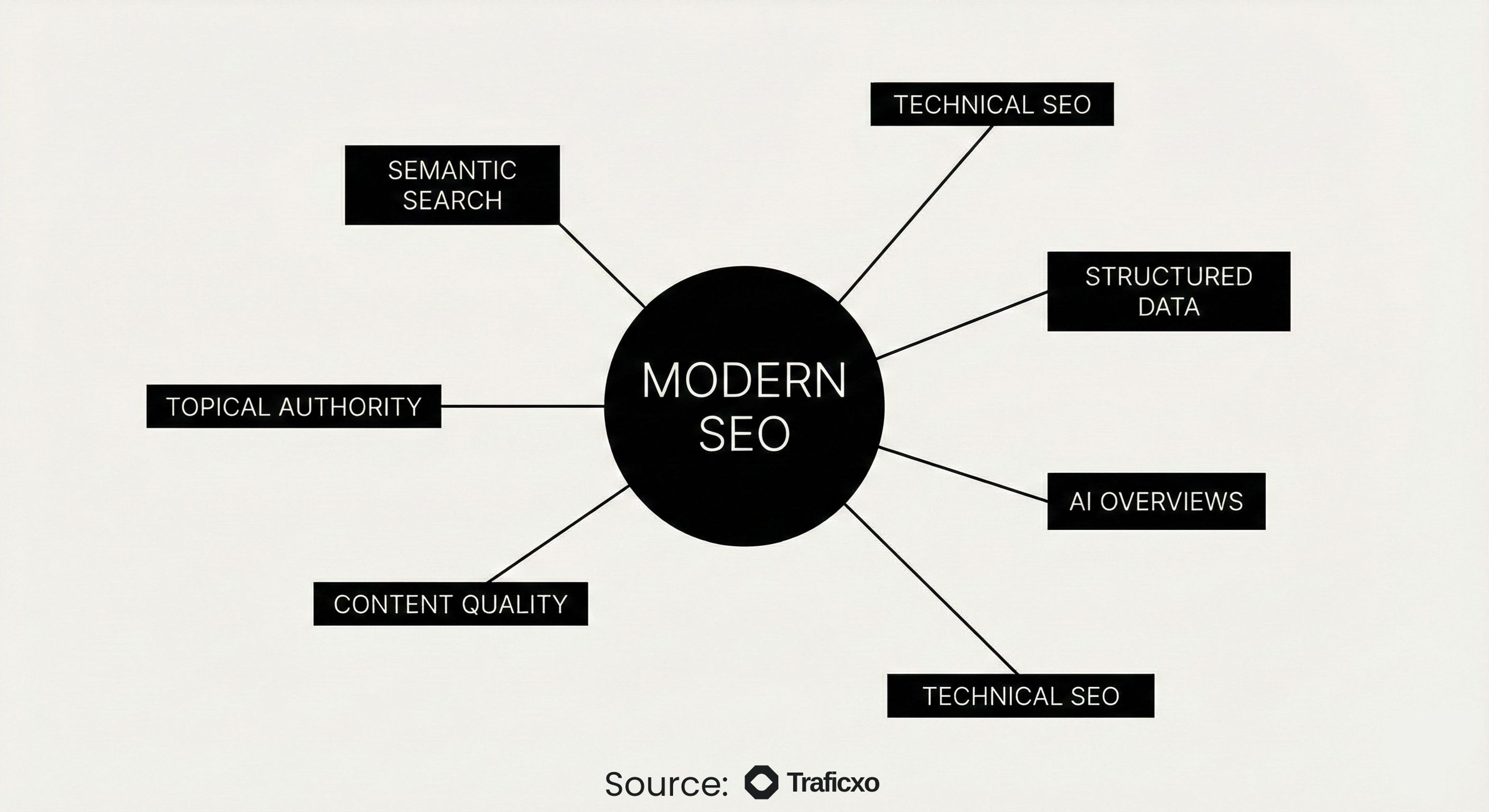
Modern search engines aim to understand what content is about — and why a user would seek it. Exact keyword matches matter less than they once did. What matters more is whether a page comprehensively and coherently covers a topic.
Instead of looking for rigid keyword lists, search engines now rely on:
- Neural language models: Understanding context and deeper associations between concepts.
- Entity recognition: Identifying real-world entities (people, places, tools, concepts) and their relationships.
- Intent analysis: Determining what a user truly wants based on query patterns, historical context, and related signals.
- Topical authority: Measuring how well a page or site covers the breadth of a subject.
Under this paradigm, words that are conceptually connected to a topic naturally emerge within content that is thorough, well-structured, and user-oriented.
Thus, even though Google doesn’t index pages using LSI technology, content that includes semantically related terms tends to perform better because it aligns with how search understands language.
How to Identify and Use Relevant Terms (Often Called “LSI Keywords”)
If the rigid idea of LSI keywords is outdated, what should you do instead?
Focus on semantic research and topical coverage:
1. Analyze Top-Ranking Pages
Investigate pages that rank well for your target terms. Note recurring phrases, subject areas, and related questions. These pages typically reflect the conceptual breadth that search engines expect for the topic.
2. Use Search Query Data
Look at:
- Google Autocomplete
- Related Searches
- People Also Ask
These are direct signals of what users consider related or relevant to a topic, and they help you understand the broader semantic field.
3. Leverage Modern SEO Tools
Modern keyword research tools go beyond lists of exact matches. They help identify:
- related topics
- semantic clusters
- user intent categories
- long-tail variations
These outputs can guide your content structure.
4. Write Content With Context
When integrating related terms:
- Use them naturally within explanations, examples, and subtopics.
- Include them where they add clarity or help answer a query.
- Avoid artificial placement solely for ranking.
Semantic context should emerge from quality writing and topic mastery, not manipulation.
Practical Examples of Related Terms
For a primary topic like “what are LSI keywords”, relevant semantic terms include:
- lsi seo
- latent semantic indexing keywords
- semantic SEO
- keyword variations
- search intent
- entity relationships
- context in SEO
- related search phrases
These are the types of terms that enrich the meaning of your content and help search engines understand topic coverage.
Best Practices for Integrating Semantic Terms
To optimize effectively:
1. Write for users first. Your content should answer real questions and provide value.
2. Structure clearly. Use logical headings, subheadings, and sections that reflect how readers consume information.
3. Cover related subtopics. Address common questions, definitions, comparisons, examples, and use cases.
4. Use related terms naturally. Place them where they contribute meaning, not where they inflate counts.
5. Avoid keyword stuffing. Overuse detracts from readability and can harm search performance.
Conclusion: The Real Role of “LSI Keywords” in SEO
The phrase LSI keywords persists in SEO conversations because it captures an important truth: search engines benefit from context. However, the specific academic technique of latent semantic indexing is not what Google uses today.
Search engines in 2026 rely on advanced language models and semantic interpretation to determine meaning and relevance. What matters is not ticking a list of related words but building content that fully and clearly addresses a topic from multiple angles.
Effective SEO now is about:
- understanding user intent,
- covering related questions and subtopics,
- using conceptually related terms where appropriate,
- and writing content that feels authoritative, natural, and complete.
When you approach content this way, you naturally include what many people refer to as “LSI keywords,” but you do so in service of meaning, not myth.
Key Takeaways
LSI keywords (Latent Semantic Indexing keywords) are words and phrases that are semantically related to a main topic. They help clarify context beyond exact-match keywords by showing how different ideas are connected within the same subject. For example, when the topic is “credit cards,” related terms such as “interest rate,” “annual fee,” and “credit score” help signal to search engines that the content genuinely discusses the broader topic.
Although the term comes from an older information-retrieval method (latent semantic indexing), modern Google Search does not actually use LSI as a ranking system. Instead, today’s algorithms rely on advanced semantic understanding, entities, and user intent recognition. In practice, what people call LSI keywords today are simply semantically related or contextual keywords that add depth and meaning to content.
How LSI-style keywords work
- Contextual understanding: They help search engines recognize what the page is really about, not just the repeated keyword.
- Natural language signals: They appear naturally when a topic is covered thoroughly, rather than being forced or “stuffed.”
- Example: For “digital marketing,” contextual terms include SEO, PPC, content marketing, analytics, social media, and conversion rate optimization.
Modern SEO perspective
- Google’s stance: Google has confirmed it does not use traditional LSI technology.
- What matters instead: Search engines use semantic models (like BERT/MUM) that evaluate meaning, intent, and entities, rather than simple keyword proximity.
- Why it still matters: Using semantically related terms improves clarity, topical coverage, and user satisfaction — which indirectly supports rankings.
Explore Services & Solutions
SEO Services Hub
Access our comprehensive vertical strategies, core processes, and expert resources.
View service hub Specialized SolutionEnterprise Technical SEO
Drive high-intent organic traffic with our advanced technical auditing and optimization frameworks.
Learn moreReady to grow your digital presence?
Connect with our execution specialists for a customized roadmap.