If you have been publishing content consistently, doing your keyword research, and still watching competitors sit above you in the search results month after month, you are not alone. The frustrating truth is that good content by itself is no longer enough. What separates the sites that rank from the ones that do not is rarely effort. It is intelligence. And the fastest way to get that intelligence is through a proper SEO competitor analysis.
This guide will walk you through exactly how to do it in 2026, including the two steps that almost every other guide completely skips: checking your competitors' AI search citations and understanding how your rivals are winning on PPC and video. By the end, you will have a practical action plan you can start using this week.
What Is SEO Competitor Analysis (and Why It Still Matters More Than Ever)?
SEO competitor analysis is the process of studying the websites that are ranking above you in Google so you can understand why they are winning and what you need to do to take their place. You look at their keywords, their backlinks, their content structure, their technical setup, and in 2026, their visibility in AI-generated answers.
This is not about copying anyone. It is about reverse-engineering what Google already rewards in your space and then doing it better.
The numbers make a strong case for why this matters. The click-through rate for position 1 on search results is 39.8%, followed by 18.7% for position 2, and 10.2% for position 3, meaning the top three organic results receive over 68% of all clicks. That gap between first and second is enormous, and it only gets worse the further down you go.
At the same time, according to SparkToro's research, 58.5% of US Google searches end without a click, which means the traditional view of "rank higher, get more traffic" is incomplete. You now need to think about visibility across featured snippets, People Also Ask boxes, AI Overviews, and even ChatGPT and Perplexity results. Your competitors' footprint across all of these surfaces is something most standard competitor analyses completely ignore.
A solid SEO competitor analysis gives you the map. Without it, you are guessing.
The Gap Most Businesses Miss Before They Even Start
Here is something worth saying upfront because most guides bury it or skip it entirely: your SEO competitors are not necessarily the same as your business competitors.
The company you think of as your main rival in sales meetings might rank terribly for the keywords your customers actually search. Meanwhile, a blog, a media publication, or a specialist resource site you have never heard of might be taking up every top position in your niche.
A local plumber competes with other plumbers for customers, but for the keyword "how to fix a leaky faucet," that plumber competes with Home Depot, WikiHow, and YouTube.
This is why the first step of any competitor analysis is not opening a tool. It is doing manual Google searches for your actual target keywords and seeing who really shows up.
Step 1: Find Your Real SEO Competitors
Open Google and type in your 10 to 15 most important keywords. The sites that appear consistently in the top five results across multiple searches are your real SEO competitors. Write them down.
Sites that appear across multiple keywords are your primary competitors. Sites that appear for only one keyword are secondary competitors. From there, group them into tiers: Tier 1 includes sites that rank for 70% or more of your target keywords, Tier 2 covers those ranking for 30 to 70%, and Tier 3 covers specific high-value keywords only.
You should also check Google Search Console if your site already has some rankings. Look at which domains are appearing alongside yours for the queries you care about. These are the sites you need to beat.
Tools like Ahrefs and Semrush can speed this up. In Semrush's Organic Research tab, you can enter your domain and see a list of competing domains automatically. Ahrefs has a "Competing Domains" feature inside Site Explorer that does the same thing. But always start with manual searches first. Tools show you data. Google shows you reality.
For most businesses, working with 3 to 5 primary competitors is the right depth. Analyzing too many dilutes your focus. Choose those with similar domain authority and content strategy to yours.
Step 2: Assess the Authority Gap
Before you dive into keywords and content, you need to understand how big the domain authority gap actually is between you and your competitors. This tells you how long it will realistically take to close specific ranking gaps and which opportunities are within reach now versus which are six-to-twelve month plays.
Look at the following signals for each competitor:
Their Domain Rating or Domain Authority score, the number of referring domains linking to them, the estimated monthly organic traffic, and the total number of keywords they rank for. Pull this data for your own site side by side and you will quickly see where the real gap lies.
Sites with over 32,000 referring domains are 3.5x more likely to be cited by ChatGPT than those with up to 200 referring domains. This stat matters because it shows that authority is not just an SEO metric anymore. It now directly affects your visibility in AI-generated answers too.
If a competitor has significantly higher domain authority, you are unlikely to displace them for their strongest keywords in the short term. So you focus on the gaps where the barrier to entry is lower, which leads us to the most valuable part of the analysis.
Step 3: Run a Deep Keyword Gap Analysis
Keyword gap analysis is where most of the quick wins live. It shows you every keyword your competitors rank for that you do not. These are searches your target audience is already doing that you are currently invisible for.
The process in Semrush is straightforward. Go to the Keyword Gap tool, enter your domain alongside two to three competitor domains, and filter for keywords where competitors rank in the top 10 but you do not rank at all. Then filter again for keywords with reasonable search volume and lower competition scores.
What you are looking for is the intersection of three things: decent search volume, a realistic difficulty level given your current authority, and strong relevance to what your business actually offers.
This feature compares your site with competitors and identifies keywords they rank for that you do not. These represent immediate expansion opportunities and are often the fastest wins.
Beyond straightforward keyword gaps, pay close attention to long-tail keywords and question-based queries. These often have lower competition, match conversational search behavior, and are more likely to trigger featured snippets you can win with a well-structured answer. A good digital marketing agency will tell you that question keywords tied to buyer intent are often worth more than high-volume informational terms that attract visitors who never convert.
Step 4: Analyze Competitor Content (Go Deeper Than Length)
Most competitor content analysis stops at word count. That is not enough in 2026.
When you look at a competitor page that outranks you, you need to ask better questions. Who wrote this? Does it contain original data or research? Does it answer the search query directly at the top, or does it make the reader scroll? Is it structured with clear headers so that Google can pull sections into featured snippets? Does it include images, video, or interactive elements?
Pages that rank well often do so because they match search intent better than anything else on the page. That usually matters more than fancy formatting or pumping out lots of content. Intent really comes down to what the searcher wants right now, not what the writer wishes they wanted.
There is a practical framework for evaluating each competing page. First, understand the intent. Is the keyword informational, navigational, commercial, or transactional? Then check whether the competing page's format matches that intent. A listicle format works well for "best SEO tools." A step-by-step guide works better for "how to do keyword research." A comparison table works for "Ahrefs vs Semrush."
If your page format does not match what Google is already rewarding for that keyword, no amount of optimization will close the gap. You need to match the format first, then compete on quality.
Look at the topics each competing page covers. What sections do they include? What questions do they answer? What do they leave out? The gaps in their content are your opportunity to create something genuinely more useful.
Read competing content. Actually read it. Find the gaps, the outdated information, and the missing angles.
For any SEO services engagement, this content audit phase is where experienced strategists spend most of their time. Skipping it produces content that ranks temporarily then slides as Google's quality systems evaluate real user behavior.
Step 5: Reverse-Engineer Competitor Backlinks
Backlinks remain a core ranking signal. The sites that rank above you have usually earned more links from more authoritative and relevant sources. Your job is to understand where those links come from and build a path to earning similar ones.
Backlink gap analysis identifies websites that link to your competitors but not to you. These are your most qualified link-building targets because they have already demonstrated willingness to link to content in your niche.
In Ahrefs, use the Link Intersect tool. Enter two to three competitor domains and then your own domain. This shows you every site that links to your competitors but has never linked to you. Export this list and sort by domain rating. The high-authority sites on that list are your priority outreach targets.
Beyond finding link opportunities, study what types of content earn the most links for your competitors. Understanding which content pieces earn your competitors the most traffic and links reveals what topics and formats resonate most in your niche and which you should prioritize creating.
Original data, industry surveys, comprehensive guides, and free tools tend to attract the most links naturally. If a competitor ranks partly because they published original research that got picked up by 40 other sites, that tells you something important about what kind of content investment actually moves the needle in your space.
Step 6: Check Their Technical SEO Posture
This step is often overlooked in competitor analysis but it can reveal important context. If a competitor with lower-quality content consistently outranks you, technical advantages could be a factor.
Technical SEO quality affects crawlability, indexation, and page performance. Benchmarking your technical posture against competitors identifies whether technical gaps are contributing to your authority deficit.
Run a quick check on your top competitors using PageSpeed Insights or the Core Web Vitals report. Note their loading times, their mobile experience, and their site structure. Look at whether they use schema markup, how their internal linking is organized, and whether their pages are properly indexed.
You are not looking to copy their technical setup. You are checking whether they have meaningful technical advantages over you, and if so, whether fixing your own technical issues is likely to help close the ranking gap.
Step 7: The Step Almost Nobody Does - Check AI Search Citations
This is the part of SEO competitor analysis that was irrelevant in 2023 but is now one of the most important competitive signals to track.
In 2026, Google AI Overviews, ChatGPT search, and Perplexity now answer a significant chunk of the queries your audience types. If a competitor gets cited in those AI answers and you do not, they are capturing traffic you never even see in your rank tracker.
Here is how to check this. Search your 10 to 15 target keywords directly in ChatGPT, Perplexity, and Google with AI Overviews turned on. Note which sources get cited in each answer. Do this across all your keywords and track which domains appear most frequently. A competitor that gets cited in 8 out of 10 AI answers for your target topics has strong entity authority that is not visible in any rank tracking tool.
AI models tend to cite sources with specific data points, clear definitions, original research, named methodologies, and self-contained paragraphs.
This is extremely actionable. If you structure your content to include clear definitions at the top of each page, back up claims with cited data, use comparison tables, and write in plain direct language, you directly improve your chances of being cited in AI-generated answers.
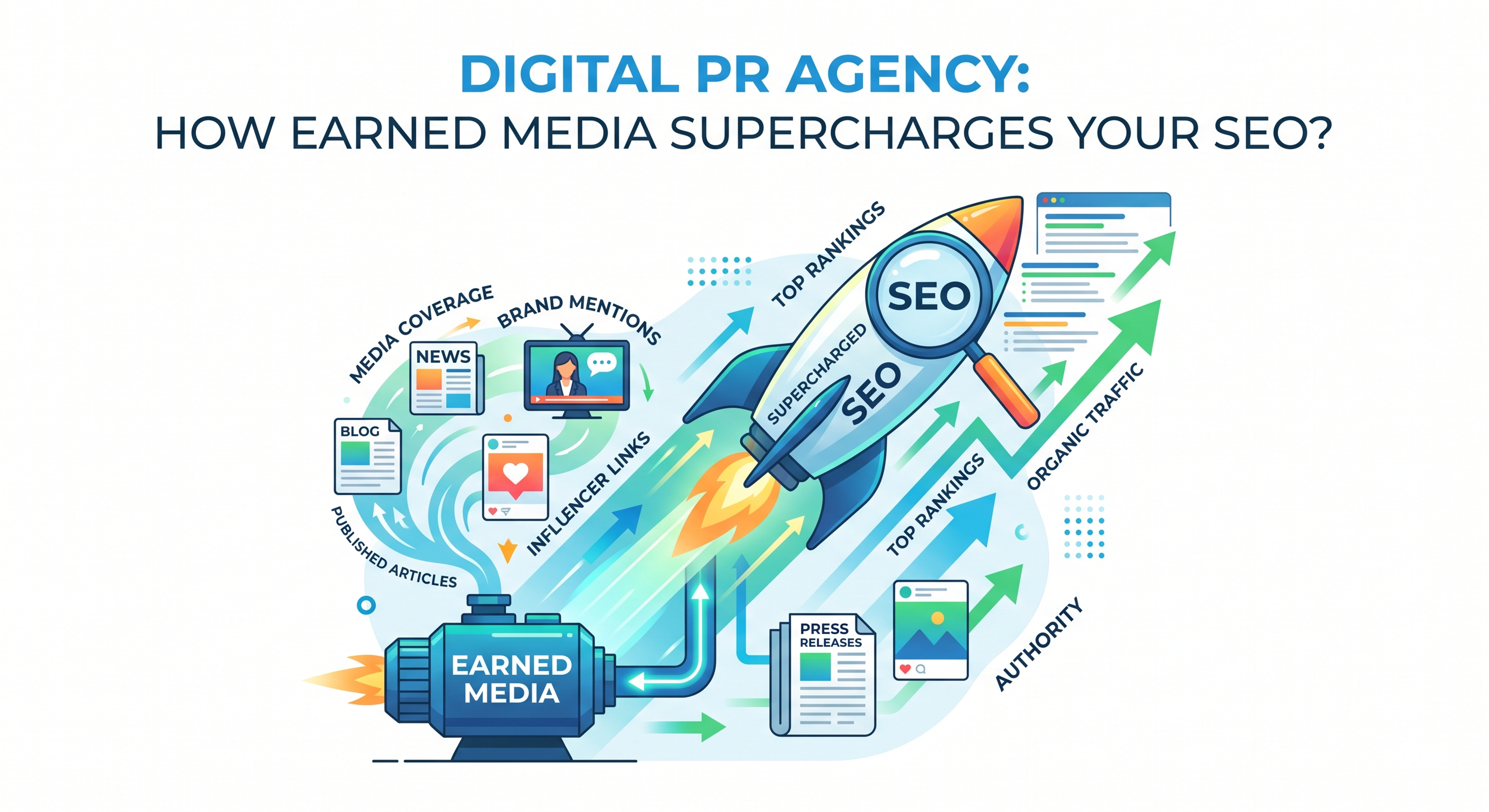
External brand mentions have a correlation of 0.664 with AI Overview appearances, per Ahrefs research. Brands are 6.5x more likely to be cited in AI answers through third-party sources than through their own domains. This tells you that building your brand's presence on external sites, industry publications, podcasts, and review platforms is now a direct SEO lever, not just a brand awareness play.
Step 8: Look at Their PPC Strategy Alongside SEO
Most SEO competitor analyses completely ignore what competitors are doing in paid search. That is a missed opportunity.
When a competitor is running PPC services or Google Ads campaigns on the same keywords they rank for organically, it tells you those keywords convert. They are putting real money behind them. That is confirmation that the traffic is worth pursuing, not just informational.
In Semrush's Advertising Research section or SpyFu, you can see which keywords your competitors are bidding on, what ad copy they are using, and how long they have been running those campaigns. Long-running ad campaigns are a strong signal of profitable intent. They would not keep spending if the keywords were not converting.
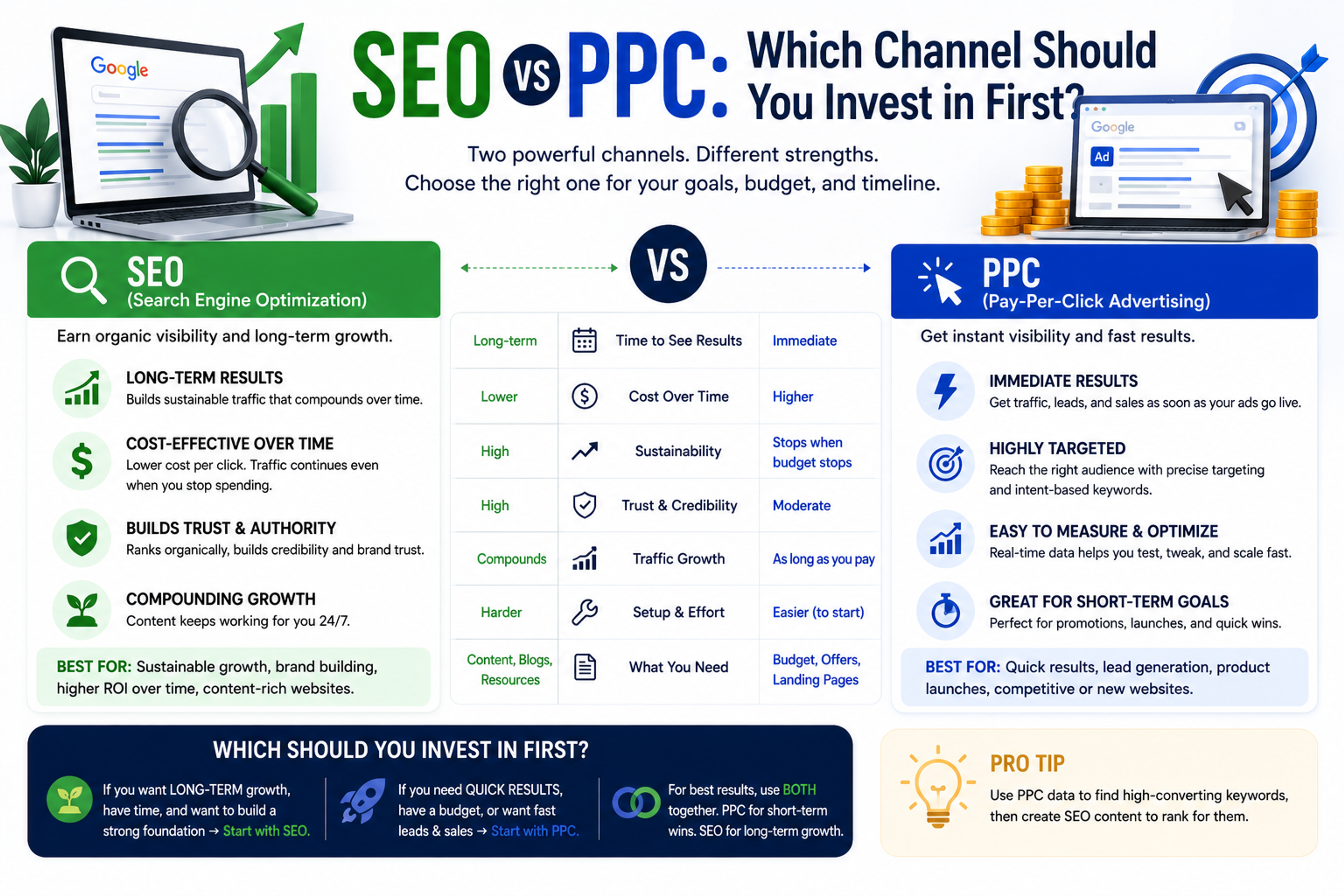
This overlap between SEO and PPC is one of the most underused signals in competitive research. A competitor who ranks organically and also runs paid campaigns on the same query is essentially double-confirmed. If you cannot compete with them in organic results yet, running your own targeted paid campaign on that keyword can capture intent while you build your organic authority.
Many businesses work with a digital marketing agency or SEO Company in India that handles both disciplines together, precisely because the insights from one channel consistently inform the other. The companies that win in search tend to think about organic and paid together rather than treating them as separate budgets.
Step 9: Analyze Their Video and Visual Strategy
Video SEO is one of the fastest-growing areas of competitive differentiation, and almost no competitor analysis guide covers it properly.
Search your target keywords in Google. Notice how often a YouTube video appears in the top five results. If your competitors have a strong video presence and you do not, that is a content format gap that directly affects your organic footprint. Video services and YouTube SEO are no longer optional add-ons for businesses in most niches.
Look at what types of videos your competitors publish. Tutorial content, product comparisons, and answer-style videos for common questions in your niche tend to rank well and drive strong engagement signals. Check whether they embed videos on their blog posts and landing pages, because pages with video tend to have lower bounce rates and longer session times, both of which influence rankings.
If your growth optimization strategy does not include video content as a component of your SEO, you are likely ceding ground to competitors who have figured out that visual and written content working together consistently outperforms text alone.
How to Turn the Analysis Into an Action Plan?
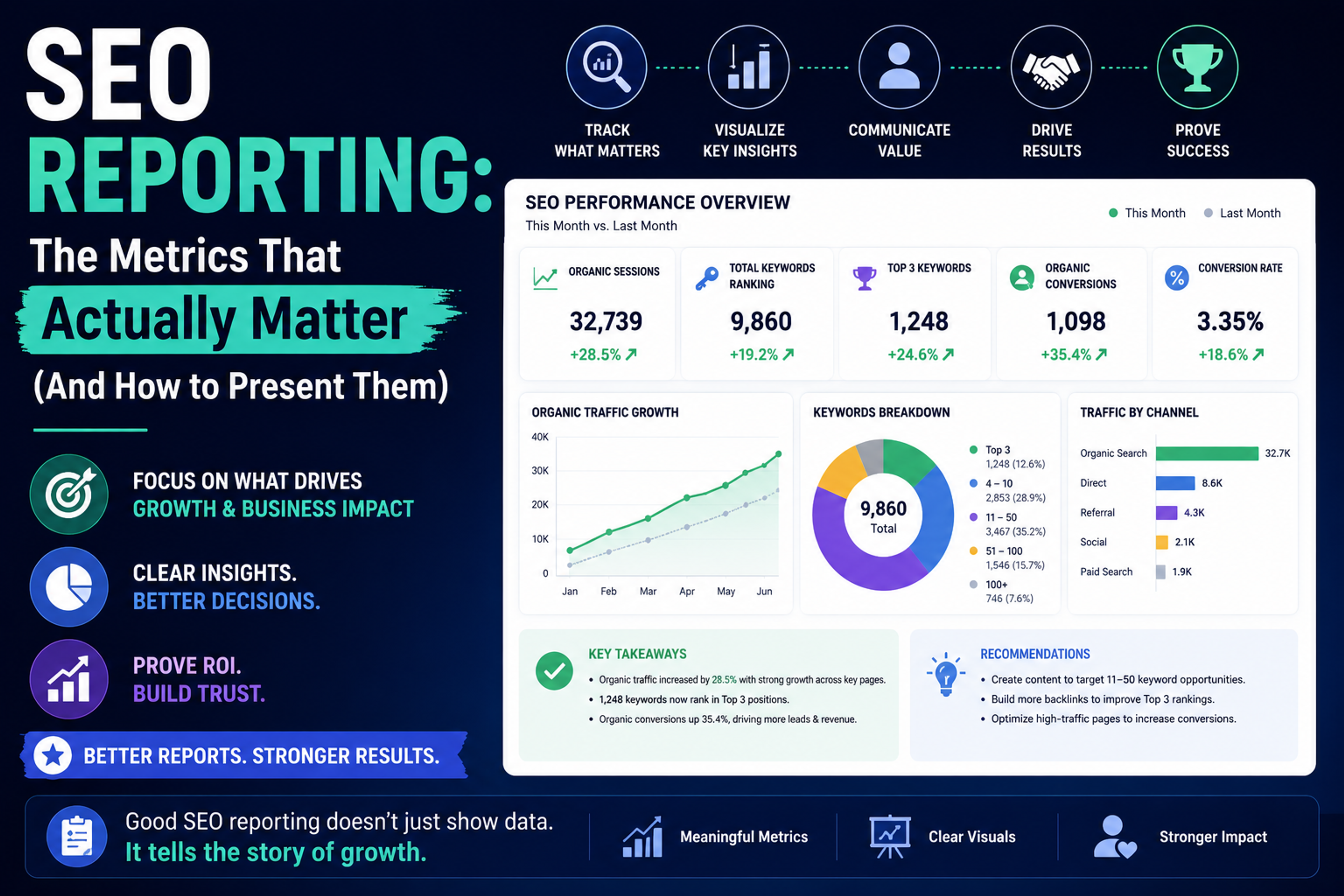
Data without action is just a spreadsheet. Once your competitor analysis is complete, the next step is turning insights into a prioritized plan.
Build three lists. The first is keyword targets: specific queries you will create new content for or optimize existing pages around. Prioritize based on estimated traffic potential, your realistic ability to rank given your current authority, and commercial intent. The second list is link building targets: the sites you identified through gap analysis that link to competitors but not to you. The third list is content improvement tasks: existing pages on your site that rank on page two or lower for competitive keywords and could rank higher with better content, more depth, improved formatting, or additional backlinks.
Aim to conduct competitor analysis every 3 to 6 months, or after major ranking drops, algorithm updates, or when entering new markets. The search landscape does not stand still. A competitor that was not a threat six months ago may have grown significantly. A content gap that existed last quarter may already have been filled.
The businesses that consistently outrank their competitors are not smarter. They are more consistent about updating their competitive intelligence and acting on it.
What the Top-Ranking Articles Are Getting Wrong?
Having reviewed the current SERP for this topic, it is worth being direct about what most competing guides miss.
The majority of articles on SEO competitor analysis were written with a 2022 or 2023 mindset. They focus almost entirely on keyword gaps and backlink profiles. These are still important, but they tell you nothing about the AI citation landscape that now shapes how a large portion of your audience finds information. For informational queries, Google's AI Overviews now reduce organic CTR for position one by up to 58%, according to Ahrefs research from December 2025. That is a fundamental change to how search traffic works, and any competitor analysis that does not account for it is incomplete.
Most guides also treat SEO in isolation from PPC and video, which means businesses that follow their advice miss competitive signals hiding in plain sight. And very few guides talk about growth optimization as the umbrella goal. Ranking higher is not the goal. Growing traffic that converts is the goal. That distinction changes which metrics you track and which competitive insights you prioritize.
Tools Worth Using in 2026
You do not need to subscribe to every SEO tool on the market. For a thorough competitor analysis, you need reliable data across keyword rankings, backlinks, and traffic estimates.
Ahrefs and Semrush remain the most comprehensive options. Ahrefs specializes in backlink analysis with an extremely large and frequently updated index, making link analysis more reliable and complete compared to smaller databases. SEMrush goes beyond SEO metrics and shows broader digital strategy signals.
For checking AI citations specifically, you can do this manually in ChatGPT and Perplexity, or use emerging tools like Profound or similar AI visibility trackers that have emerged in the past year.
SpyFu is particularly strong for PPC competitive intelligence. SpyFu focuses on long-term competitive behavior. Instead of showing only current rankings, it reveals historical keyword and advertising patterns, which helps you understand which competitor strategies have proven durable versus which are short-term plays.
Google Search Console is free and should be your starting point for understanding your own existing rankings before you benchmark against anyone else.
A Note for Businesses Working With an Agency
If you are a business owner evaluating whether to manage this process in-house or work with a specialist, the honest answer is that a thorough competitor analysis done once is far less valuable than one updated regularly with action taken after each cycle.
A good SEO Company in India or any market that offers genuine competitor analysis will show you the data, explain what it means, and translate it into specific content, link building, and technical tasks. If an agency presents you with a competitor report full of screenshots but no prioritized action items, it is a dashboard, not a strategy.
The brands growing fastest through SEO in 2026 are typically working with teams that integrate SEO services with PPC Services, content production, and Video Services because they understand that Google evaluates a site's overall authority and user experience, not just individual page optimization.
Explore Related Services
Enterprise Technical SEO
Drive sustainable, high intent organic traffic and dominate search rankings with our advanced search engine optimization frameworks.
Accelerate organic growthData Driven Paid Advertising
Lower your customer acquisition costs and maximize return on ad spend with highly targeted Google and Meta PPC campaigns.
Scale your ROAS